For Parents
- Online Studies
- In-Person Studies
- Baby Science Studies
- Autism Studies
- Studies for Parents
 |
Age Range: 10 - 12 months
We are inviting families with infants (including those with or without a family history of autism) to participate in a fun, remote study on early communication development. During a one-time, ~45-minute Zoom session, you’ll play naturally with your baby while we observe how babies learn from caregiver responses. The study takes place in your home, is video-recorded for research purposes, and families will receive a gift card as a thank-you.
|
 |
Age Range: 3 - 4 years
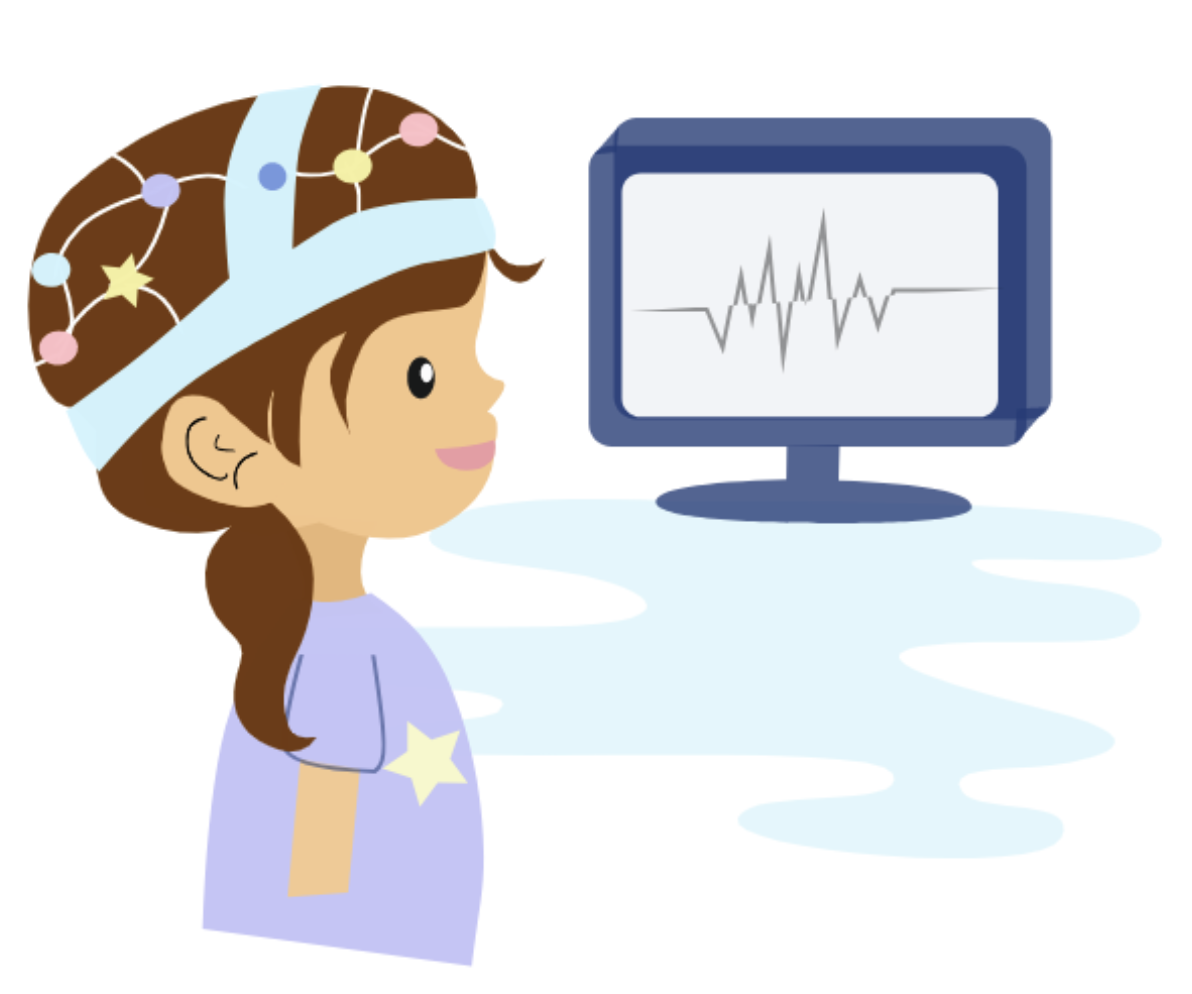
We are inviting families with 3–4-year-old children (with and without autism) to participate in a fun brain study at UC San Diego. During this visit, your child will wear a comfortable EEG cap (like a swim cap with sensors) while watching simple images and videos on a screen. This allows us to understand how children’s brains anticipate and respond to social and non-social events.
The visit lasts about 2–2.5 hours, includes breaks, and is designed to be engaging and child-friendly. Families will receive compensation for their time. Thanks for helping us better understand early brain development and supporting future approaches to social learning in children! |
 |
Age Range: 3 - 6 years
In this study, your child will meet a friendly Head Puppet who introduces their other animal puppet friends. Each puppet promises to show your child a cool toy, but sometimes they don't bring one! When this happens, some puppets explain why, while others might not. After watching, your child will be asked to share their thoughts about what happened and which puppets they liked. To participate, you'll schedule a Zoom session with our research team at a time that works for your family.
|
 |
Age Range: 4 - 8 years
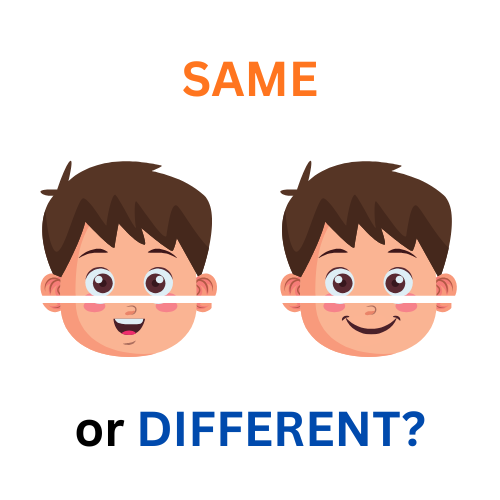
Faces play an important role in social communication. To interact successfully with others, children need to recognize and tell people’s faces apart. In this study, we are interested in how children with autism spectrum disorder perceive faces. We hope to learn more about how face perception develops in kids with autism and how it supports children’s social communication. Attention: this study is conducted through Children Helping Science! We ask you to make an account to participate.
|